

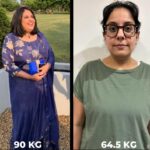
My Client Payal’s Incredible Transformation
28/04/2024
The Benefits Of Skipping
17/06/2024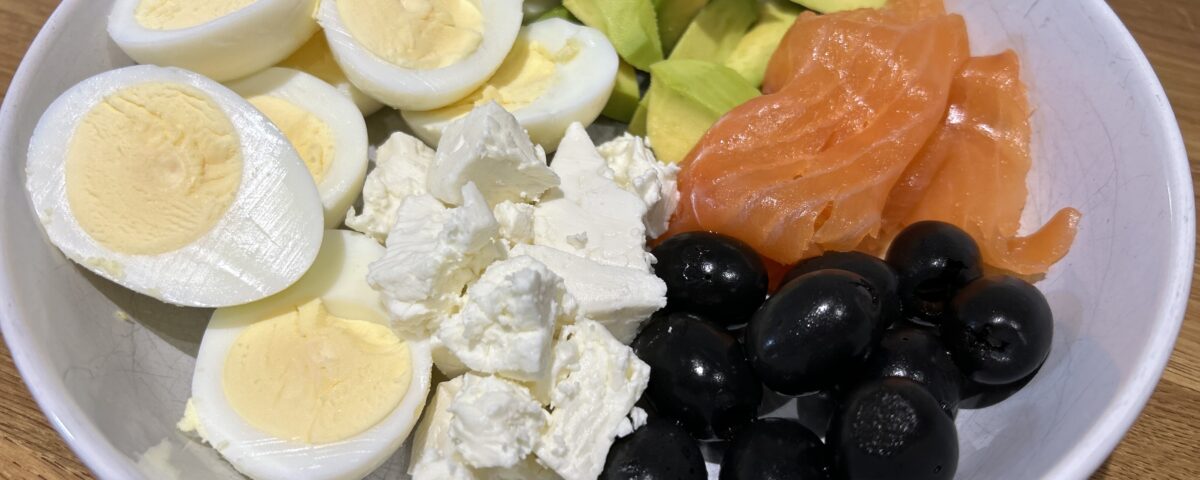
Are You Getting Enough Protein?
Whether you’re a seasoned athlete or just starting your fitness journey, ensuring you get enough protein is paramount for success. Let’s dive into why protein is essential, how much you actually need, and some tips to help you reach your protein goals.
The Importance of Protein:
Protein is the building block of muscles, bones, skin, and other tissues in the body. When you exercise, especially through resistance training, you create microscopic tears in your muscle fibers. Protein aids in repairing these tears, leading to muscle growth and strength development. Additionally, protein plays a vital role in metabolism, satiety, and immune function.
How Much Protein Do You Need?
The amount of protein you need depends on various factors such as age, weight, activity level, and fitness goals. Generally, the recommended daily intake for the average adult is around 0.8 grams of protein per kilogram of body weight. However, if you’re regularly engaging in intense workouts or aiming for muscle growth, you may need more protein – typically between 1.2 to 2.2 grams per kilogram of body weight.
Signs You Might Not Be Getting Enough Protein:
Muscle Loss:
If you’re not consuming enough protein, your body may start breaking down muscle tissue for energy, hindering your fitness progress.
Slow Recovery:
Insufficient protein intake can lead to prolonged muscle soreness and slower recovery times after workouts.
Fatigue:
Protein is essential for energy production. Inadequate protein intake can leave you feeling tired and lethargic, affecting your overall performance.
Tips to Increase Your Protein Intake:
Include Protein in Every Meal:
Aim to incorporate a source of protein in each meal and snack throughout the day. Good sources include lean meats, poultry, fish, eggs, dairy products, legumes, nuts, and seeds.
Prioritise Post-Workout Protein: Consuming protein after a workout helps kickstart the muscle repair process. Opt for a protein shake, Greek yogurt, or a chicken salad to replenish your muscles.
Choose Quality Sources:
Focus on high-quality, nutrient-dense protein sources to maximize the benefits. Lean meats, wild-caught fish, organic tofu, and quinoa are excellent choices.
Supplement Wisely:
While it’s best to get your protein from whole foods, protein supplements can be convenient, especially for busy individuals. Choose reputable brands and opt for products with minimal added sugars and artificial ingredients.
Conclusion:
Protein is a fundamental nutrient for anyone looking to improve their fitness and overall health. By ensuring you’re getting enough protein in your diet, you’ll support muscle growth, enhance recovery, and optimize your performance in and out of the gym. Remember to tailor your protein intake to your individual needs and goals, and always prioritise quality sources for maximum benefits. With the right approach, you’ll be well on your way to achieving your fitness aspirations.